
Dispatch from Angra dos Reis, Brazil
By Tom Healy | January 6, 2026
Tom Healy is a poet and Council member for the National Museum of African American History and Culture. He wrote this reflection for his fellow councilmembers when traveling to Brazil for the opening of the Museum’s “In Slavery’s Wake: Making Black Freedom in the World” exhibition. He visited Angra dos Reis as part of a cohort from the Museum to witness the work of the Slave Wrecks Project and its partners in Brazil, meet the people of Quilombo Santa Rita do Bracuí, and learn about their history and continuing fight for justice.
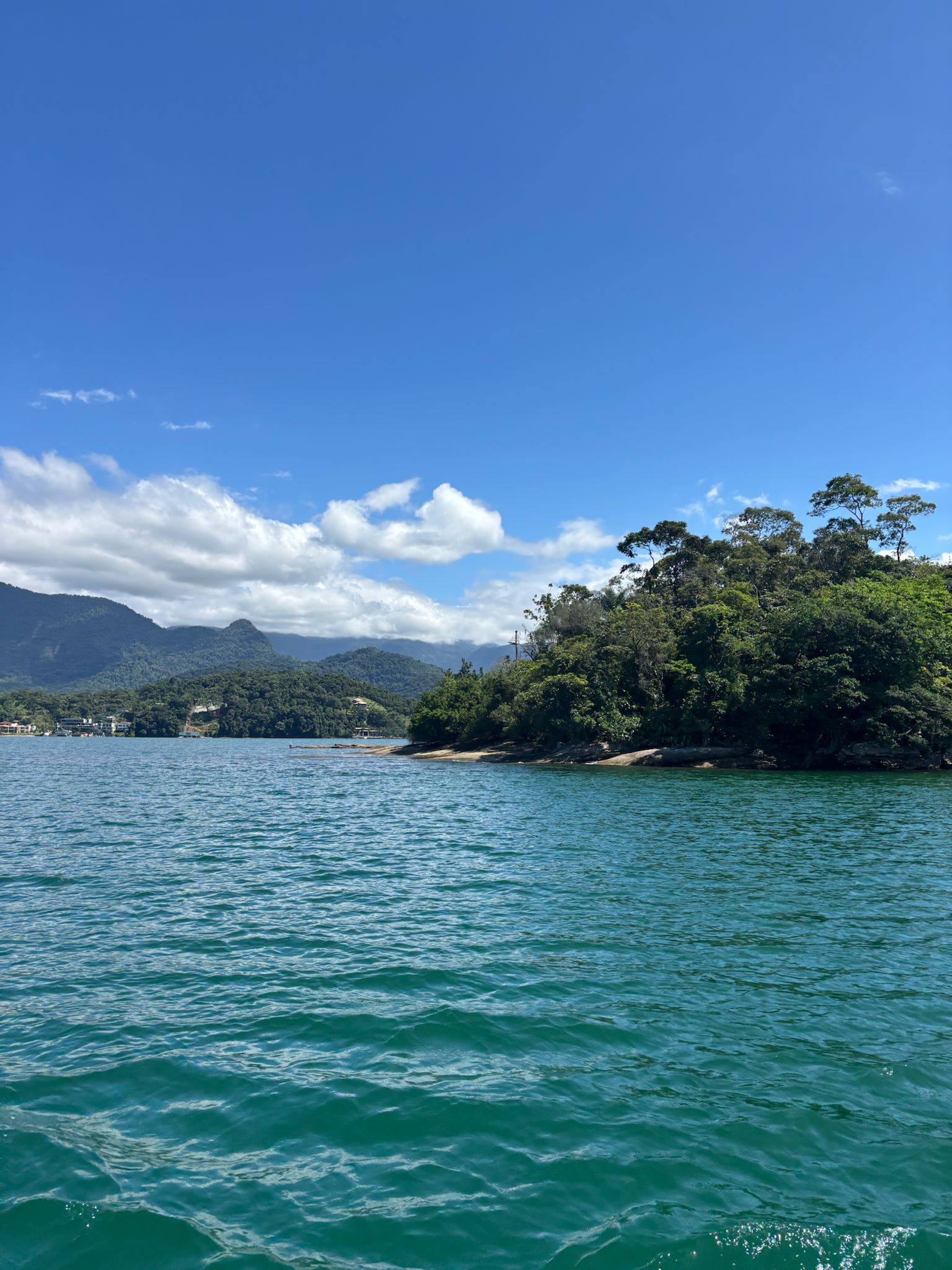
The water near Bracuí
I just wanted to share a quick dispatch from our unforgettable morning in Angra dos Reis, the site of the wreck of the slave ship, Camargo.
You know how gorgeous the coast of Brazil is. And three hours or so from Rio, it’s rural and lush, achingly beautiful. The mountains fold around the bay here and drop right into the sea. The water is every shade of calm.
But we’re here because of the history of this place.
We joined members of the Quilombo Santa Rita do Bracuí on a small diving boat that took us out to the site not far from the shore, where almost 175 years ago, the Camargo brought 500 of their ancestors in chains and unspeakable privation. “Quilombos” are Brazilian collectives of the descendants of enslaved peoples who preserve their ancestral lands and cultural practices. (One of many, many things I had to learn.) The Brazilian constitution now protects the heritage, and most importantly, the land rights, of these people. But those protections are fragile.
The wreck of the Camargo was only found two years ago through the global Slave Wrecks Project that [Smithsonian Secretary Lonnie Bunch] initiated with several partner institutions… The remains lie in relatively shallow waters, but they’re fully hidden under layers of ash and silt: ash because the ship was torched almost as soon as it docked in 1852.
Brazil had recently banned the international transport of slaves and authorities were closing in on the Camargo’s American captain who was making clandestine runs…
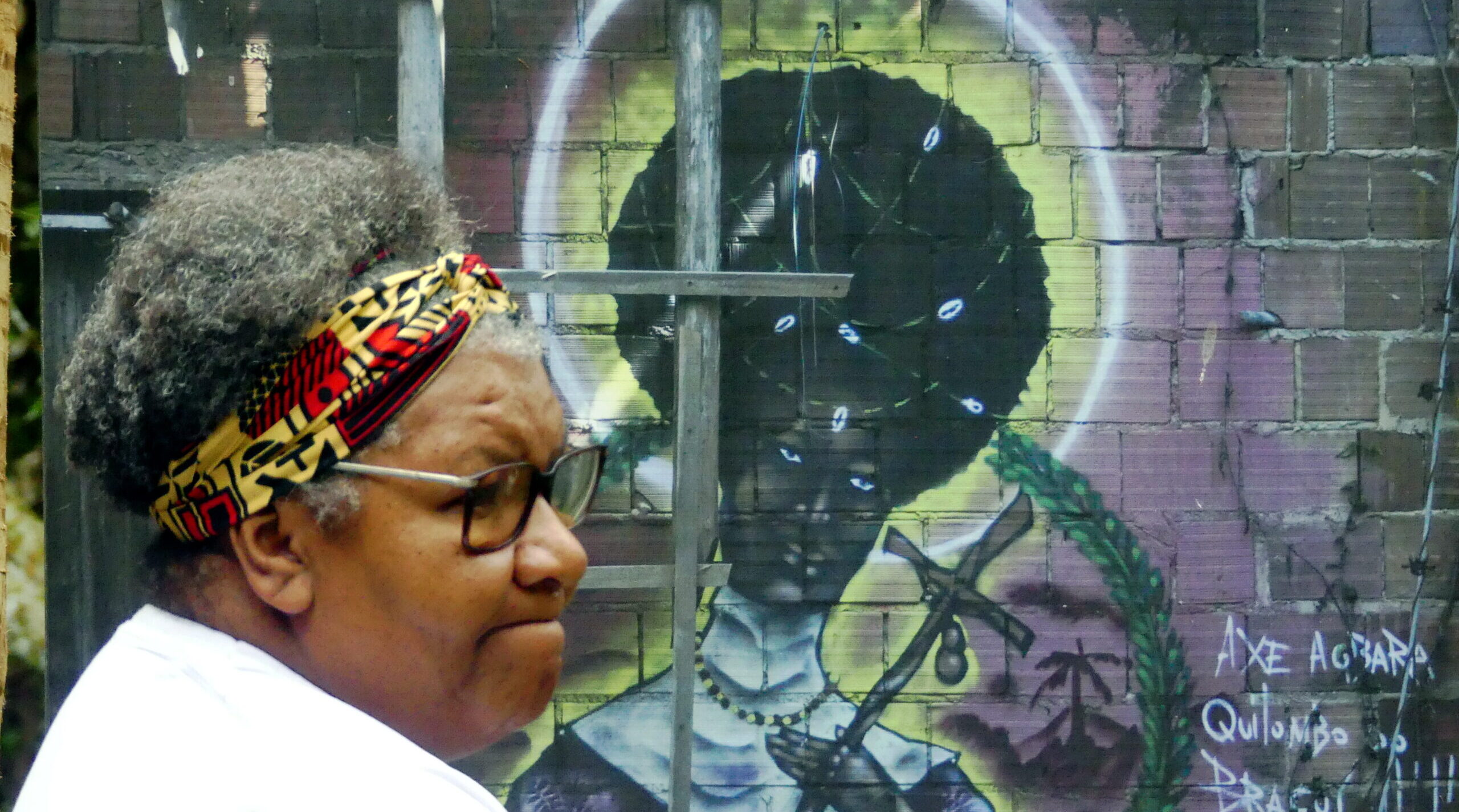
Yuri Sanada, 2025
When we reached the site, the descendants gathered us for short ceremony that was both solemn and joyful, a blending of African and Catholic traditions that balanced grief with grace. One fisherman told us he crossed this place every day in his boat. “I think how cruel the crossing was,” he said, “And I wonder how many bones are scattered in the oceans by those who never made it here.” Another speaker told us that even though the ship was only recently found, the community has always been deeply connected to the water.
“The sea pushes itself upriver to find us,” she said.
There was singing to honor the ancestors, and water was scooped into small vessels to carry back to land. Then we cast flowers into the water, white for the dead, red for those who survived.
I was reminded of Dereck Walcott’s great poem, “The Sea Is History,” which begins:
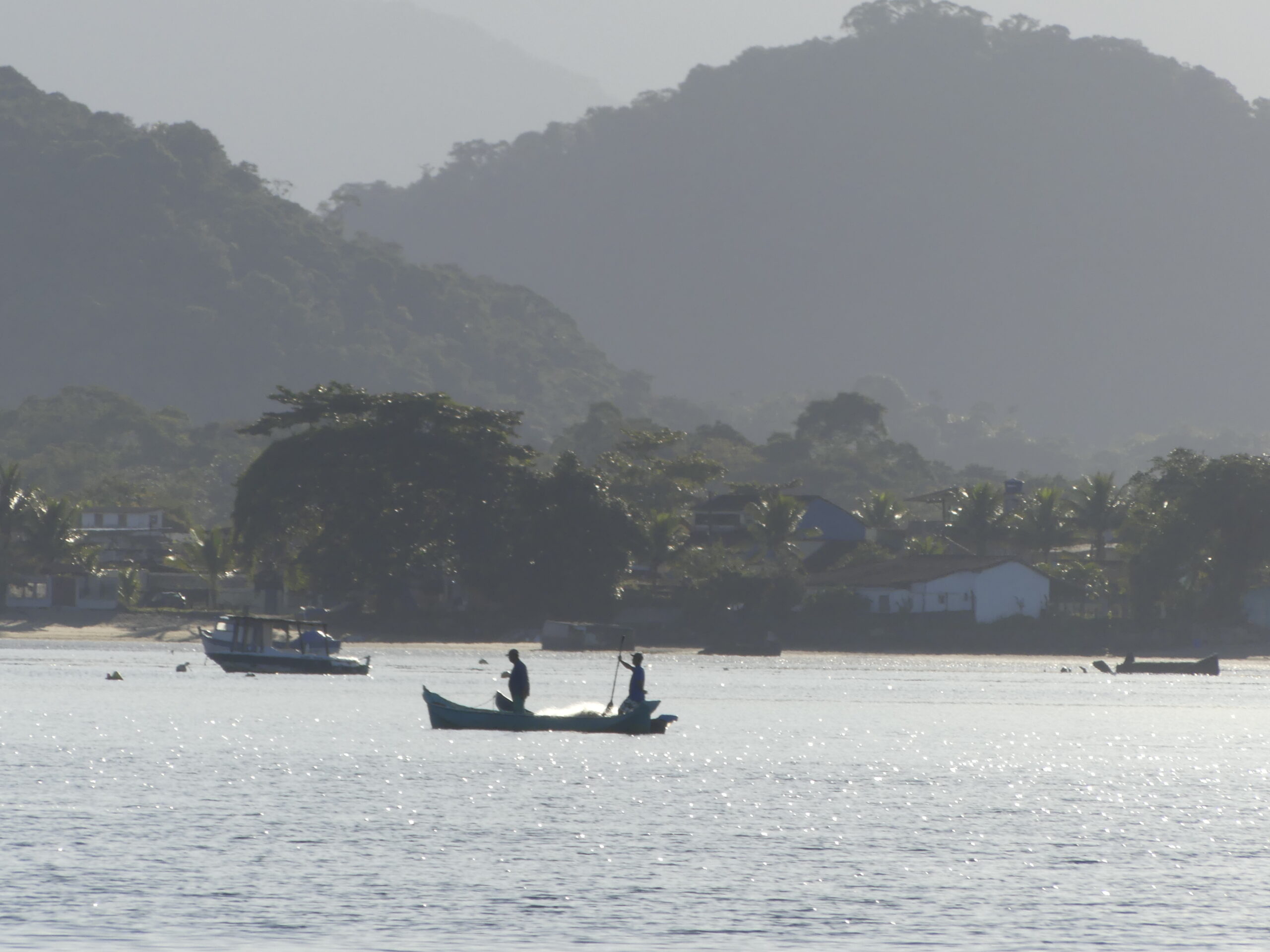
The water near Bracuí
Where are your monuments, your battles, martyrs?
Where is your tribal memory? Sirs,
in that grey vault. The sea. The sea
has locked them up. The sea is History…
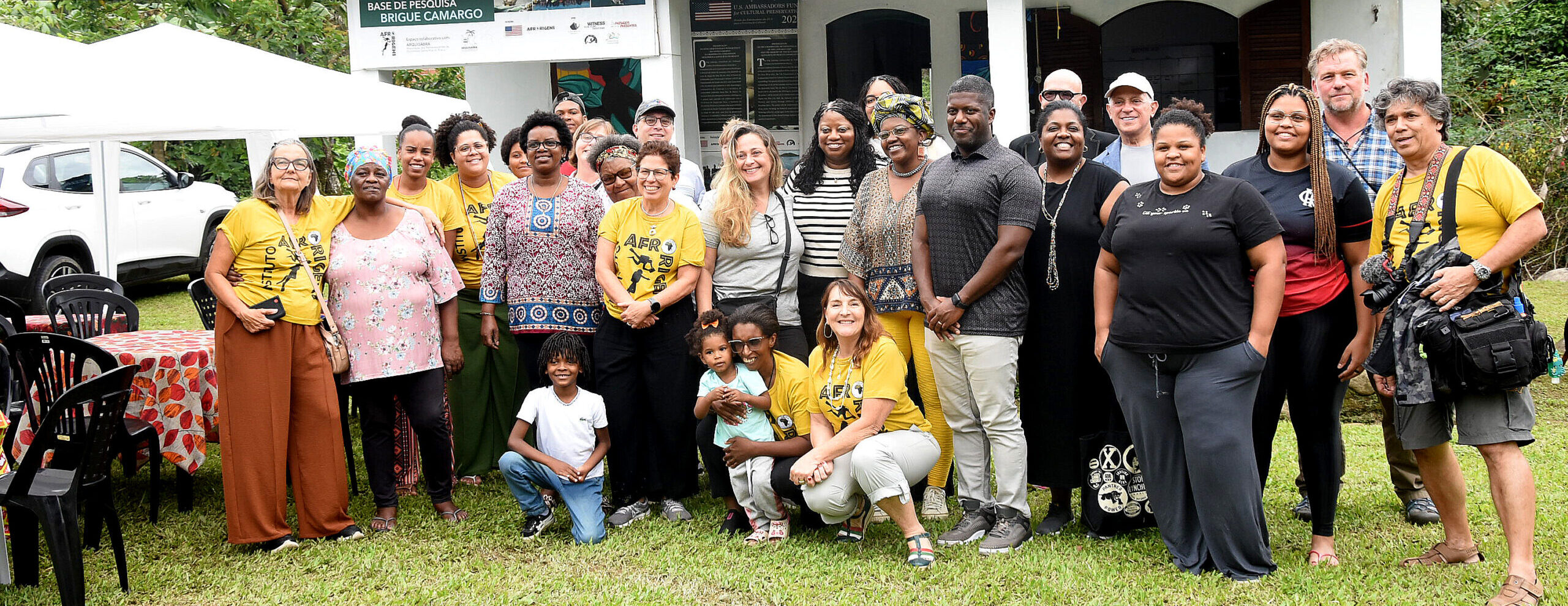
The cohort that traveled to Bracuí