Voices of Africatown: Zora Neale Hurston's Barracoon
By Antonio Austin | June 1, 2026
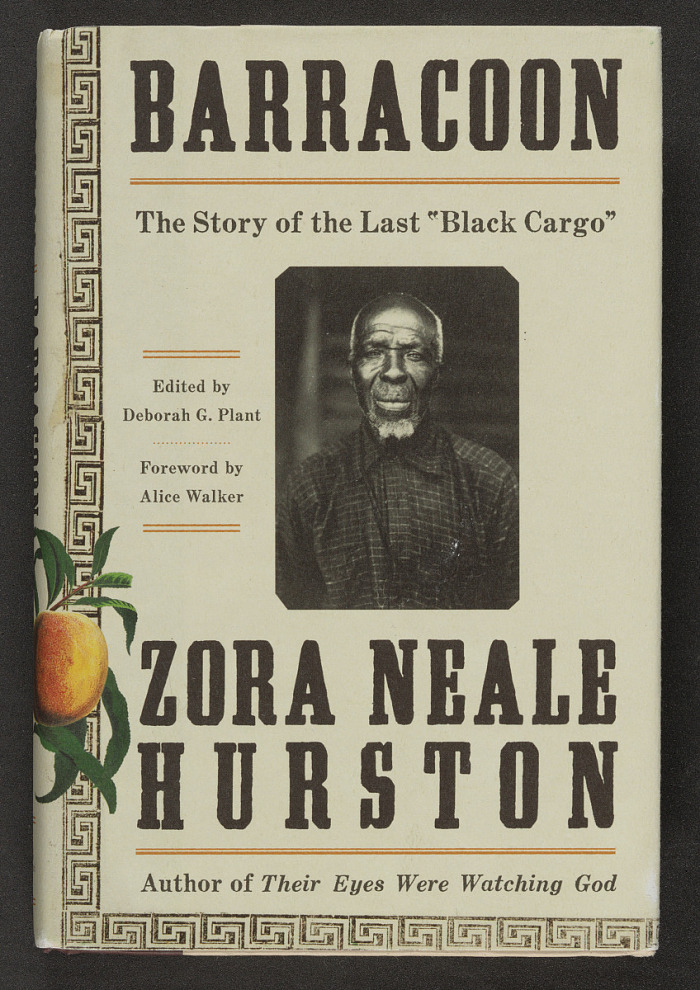
Zora Neale Hurston’s Barracoon was “locked away” in the archives of the Moorland-Spingarn Research Center at Howard University for decades before it was rediscovered and published in 2018.
Gathering the stories of Cudjo Lewis, a man born in West Africa as Kassoola and trafficked illegally to Alabama—he was thought to be the last survivor of the Clotilda. Although the manuscript was complete by 1931, Hurston was adamant that the story be published in Lewis’s dialect—which made several potential publishers disinterested in the project. Although Zora Neale Hurston never lived to see its publication, Barracoon gives space for an African man to reminisce about his homeland, enslavement, making the most of the United States, and losses on both sides of the Atlantic. The journey to complete Hurston’s Barracoon embodies a large genre of documenting quintessential Black storytelling relayed and distributed through oral tradition in slave narratives.
Historians have wildly contested slave narratives throughout the years. Those published during slavery were believed to have been edited by abolitionists, which led to the sensationalizing of the impact of slavery. Even those conducted by the Works Progress Administration in the mid-1930s are met with skepticism due to power dynamics, editing, and the ages of the interviewees. However, an article by historian John W. Blassingame titled “Using the Testimony of Ex-Slaves: Approaches and Problems” makes a significant note that interviews conducted by Black scholars from Hampton University, Southern University, and Fisk University were vastly different in the depth of information provided to the interviewers. Case in point—interviews conducted by those who looked like them yielded a fuller and more forthcoming truth about their experiences during slavery.
I believe several factors led to Zora Neale Hurston’s success in her venture to capture the stories of Kassola. She grew up in Eatonville, Florida, an all-Black town,
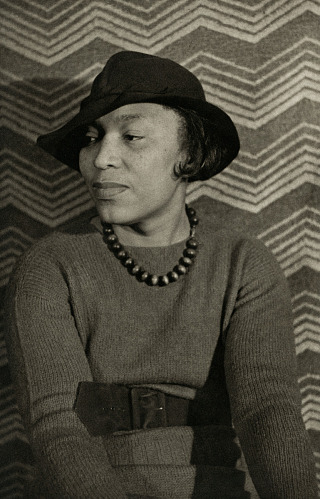
Zora Neale Hurston by Carl Van Vechten, National Portrait Gallery,
where she fell in love with the storytelling of her family, friends, and neighbors. These stories varied, ranging from folktales to recollections of lived experiences.
Although her education assisted her efforts, her approach differed from some of the whitewashed practices in her discipline at the time. There were likely several innate urges that prompted her to be well-received by her interviewers. It could have also just been Black excellence that fueled her success in this endeavor. Around the same time, she interviewed Kassola, another Black woman, Ophelia Settle Egypt, a budding sociologist (later, social worker), who was collecting narratives for Fisk University. However, both Neale and Egypt had connections dating back to their days as students at Howard University and members of the same sorority, Zeta Phi Beta. These two women were trusted enough by their interviewees to receive the often difficult lived experiences of slavery here in the United States. However, it says much more to me. It showcases the role of Black women in preserving Black history in this country. Although these women were formally trained in their respective disciplines, they represented the many women in the African American community who are the repositories of their family and local histories. This outward manifestation reflects the inner work that Black women do to cement memories into the hearts and minds of future generations.
Learn about the Slave Wrecks Project’s work on our Location Page: Africatown, U.S.A.