Blog
Filter Posts
Reset Filters-
June 15, 2026
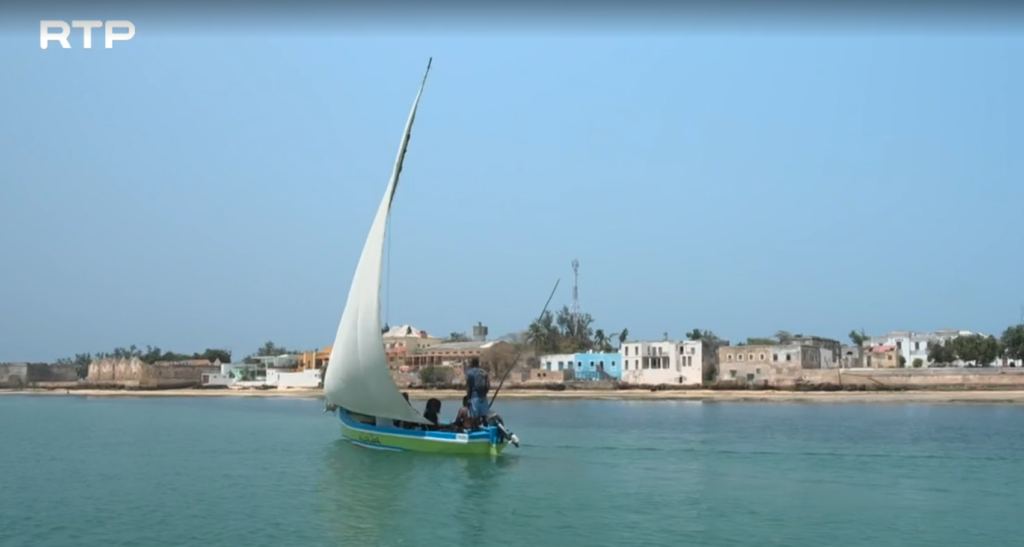
SWP in the New: Submerged in the Indian Ocean, Documentary
Read More
-
June 1, 2026
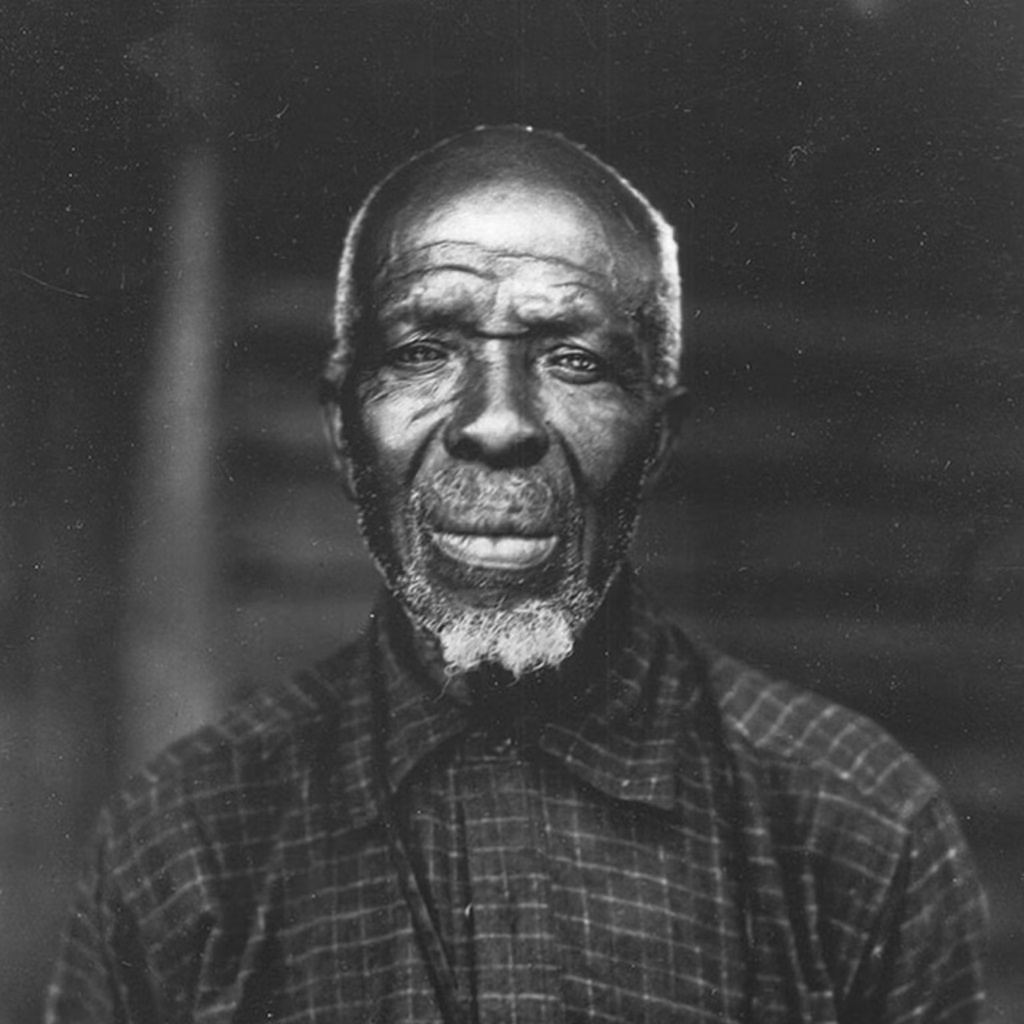
Voices of Africatown: Zora Neale Hurston’s Barracoon
Although Zora Neale Hurston never lived to see its publication, Barracoon gives space for an African man to reminisce about his homeland, enslavement, making the most of the United States, and losses on both sides of the Atlantic.
Read More
-
May 18, 2026
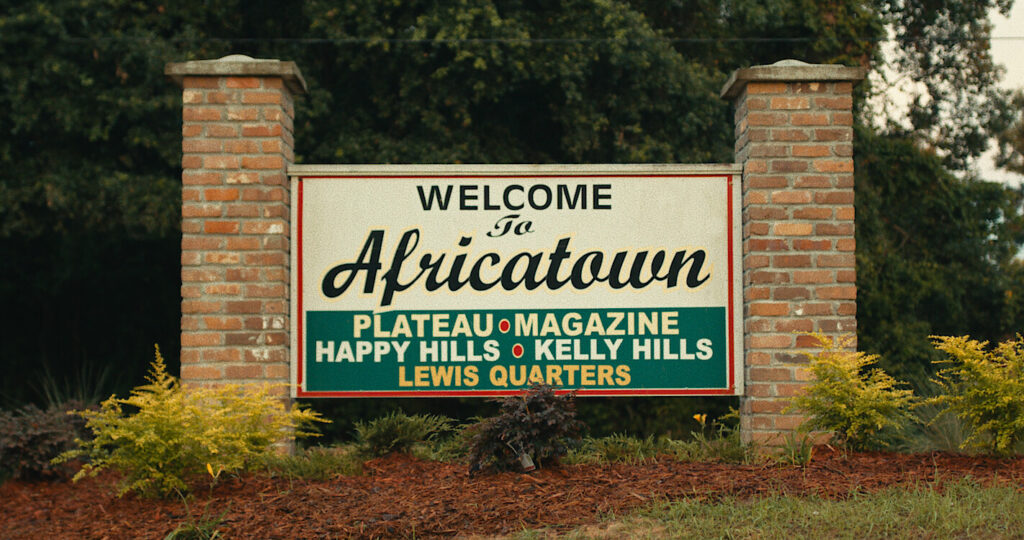
Unfinished Conversations: Africatown, Alabama
Discover the voices of "Unfinished Conversations: Africatown, Alabama," and how communities navigate the connection of past and present
Read More
-
May 12, 2026
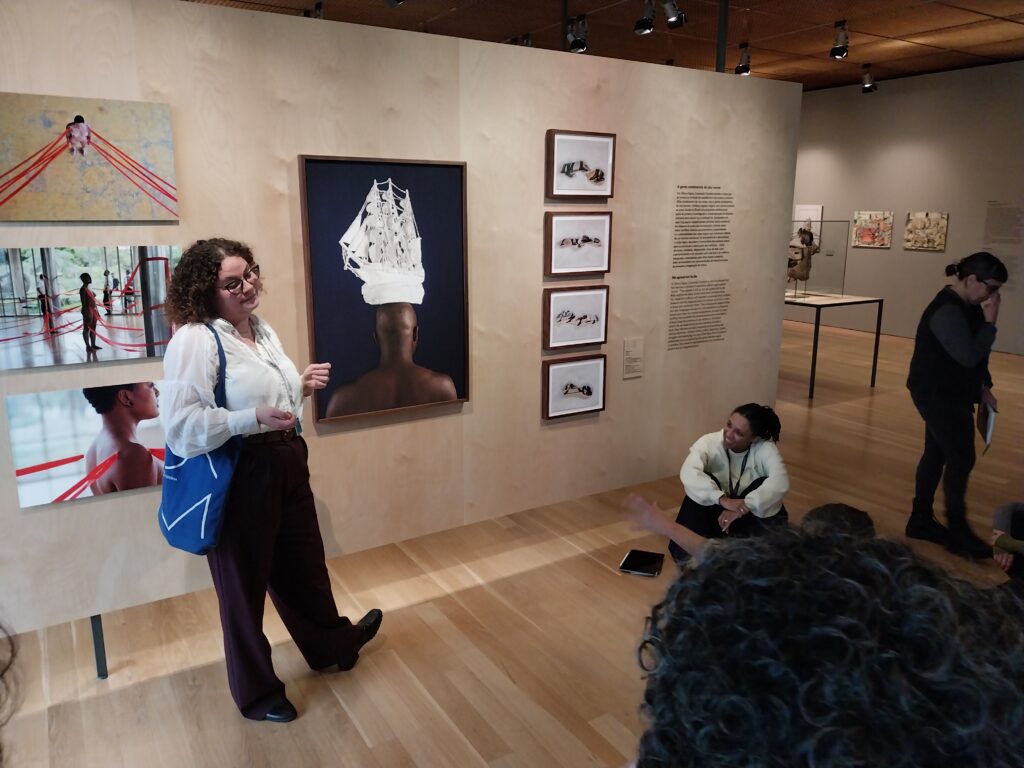
Reflecting on Teaching Difficult Histories in Portugal
Read Luís Graça reflections on the challenges of teaching difficult histories related to colonialism in Portugal
Read More
-
April 28, 2026
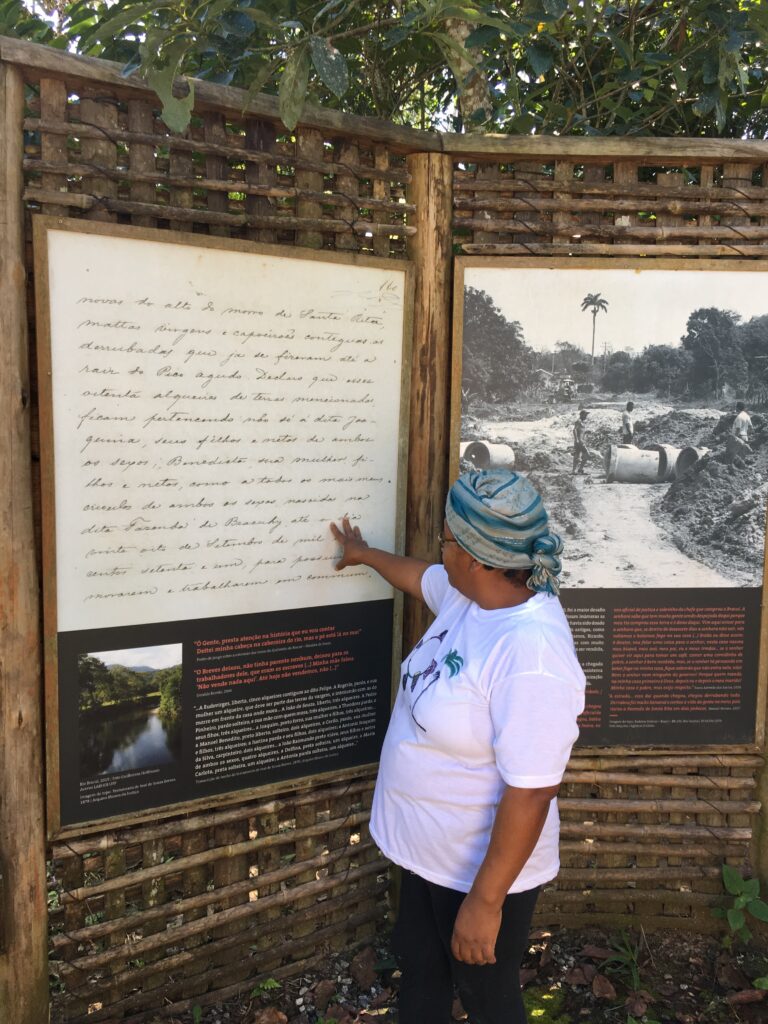
The Camargo: A History of Global Connections
In 1852, the brig Camargo arrived in Bracuí, Angra dos Reis, with more than 500 enslaved Africans onboard.
Read More
-
January 26, 2026
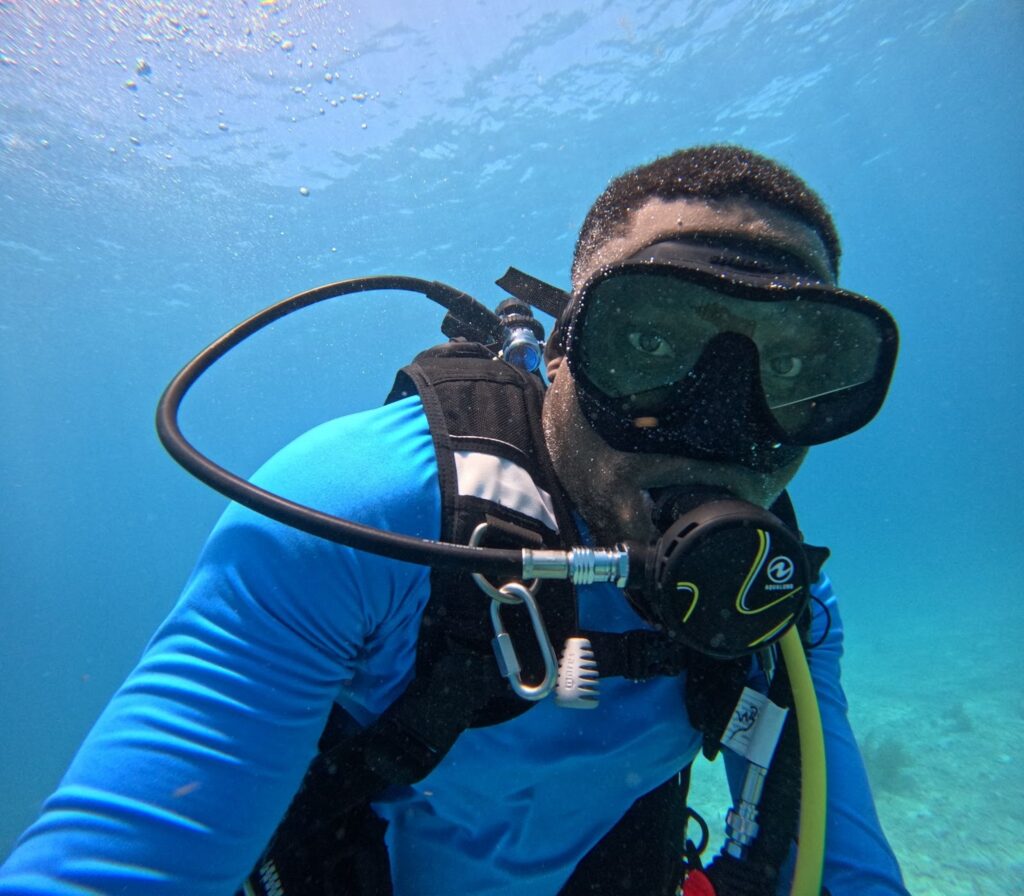
Preserving the Maritime Histories From Our Past
Angelo Ayedoun, a PhD candidate from Benin, reflects on the protection maritime histories and his time as an intern in Biscayne National Park.
Read More
-
January 6, 2026
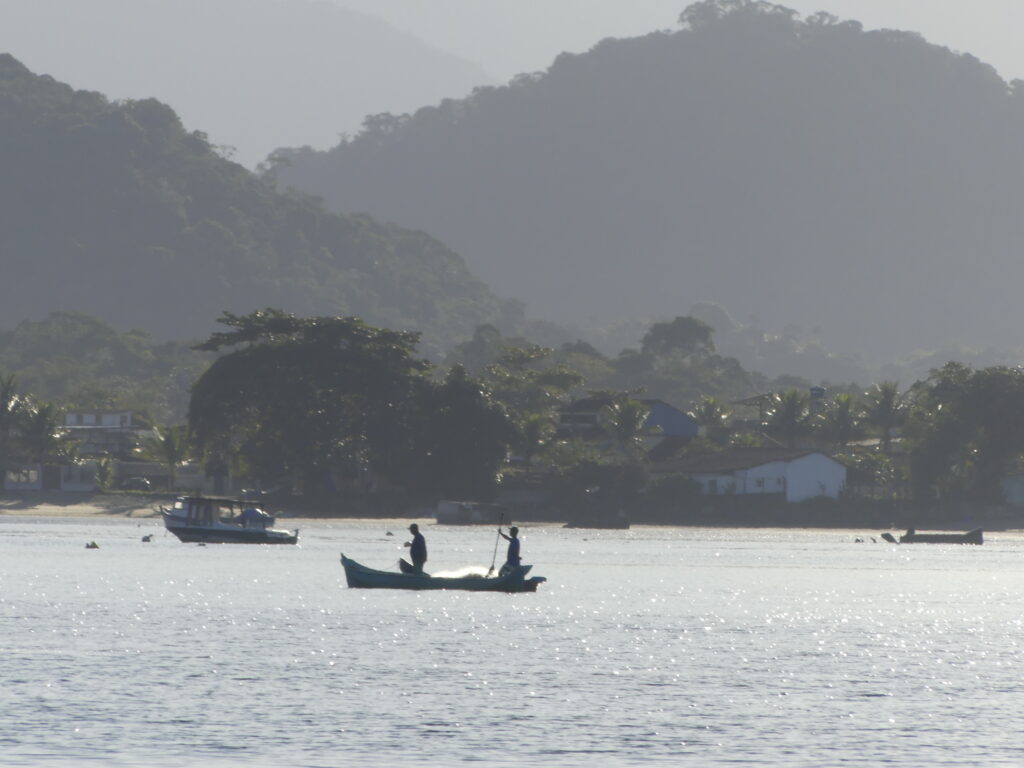
Dispatch from Angra dos Reis, Brazil
I just wanted to share a quick dispatch from our unforgettable morning in Angra dos Reis, the site of the wreck of the slave ship, Camargo. You know how gorgeous the coast of Brazil is. And three hours or so from Rio, it’s rural and lush, achingly beautiful. The mountains fold around the bay here and drop right into the sea. The water is every shade of calm. But we’re here because of the history of this place.
Read More
-
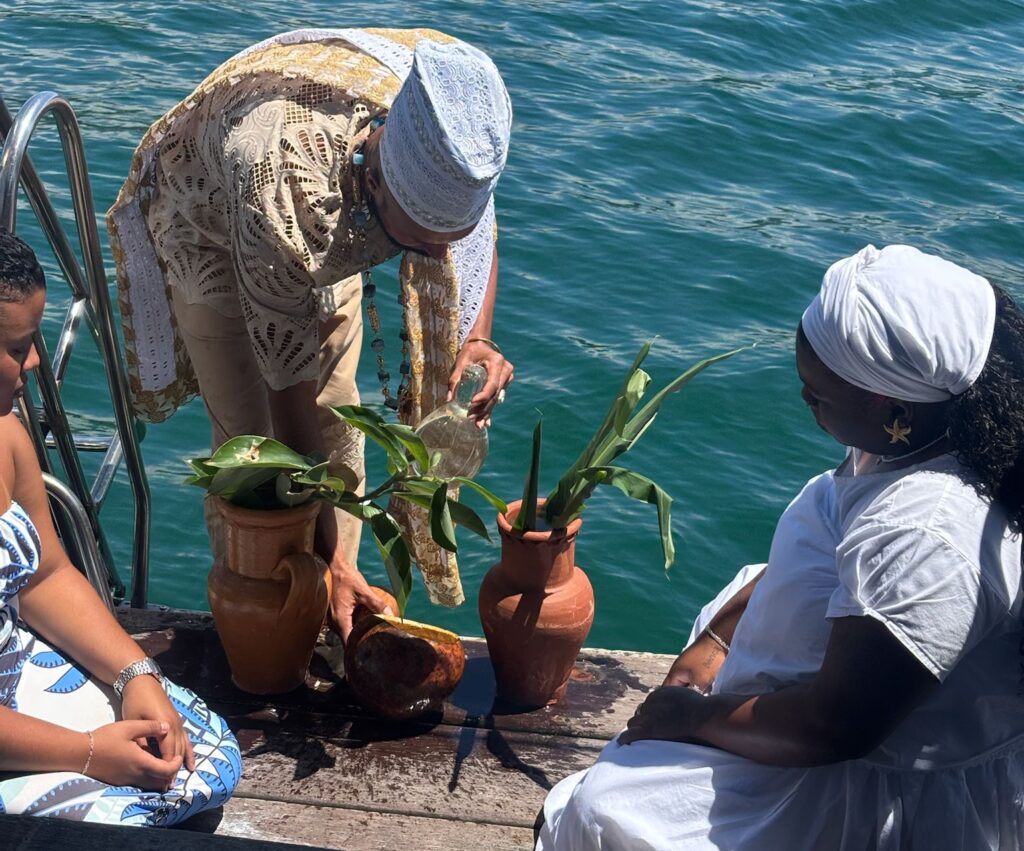
December 18, 2025
Rituals of Collecting Sea Water
Written by AfrOrigens and Emerson Mec to explain the process of collecting water from the site of the Camargo for inclusion in the In Slavery’s Wake exhibition in Rio de Janeiro.
Read More
-

December 10, 2025
In Slavery’s Wake and the Camargo
Descendants of the enslaved people from the Santa Rita do Bracuí farm now form the Quilombo do Bracuí and fight to remain on the land of their ancestors. The work of the Slave Wrecks Project and its partners in Brazil – AfrOrigens and the quilombo itself, ensures that this work is also about reclamation, about healing, and about empowerment.
Read More
Showing 1–9 of 32 posts